
 Image 1 of 1
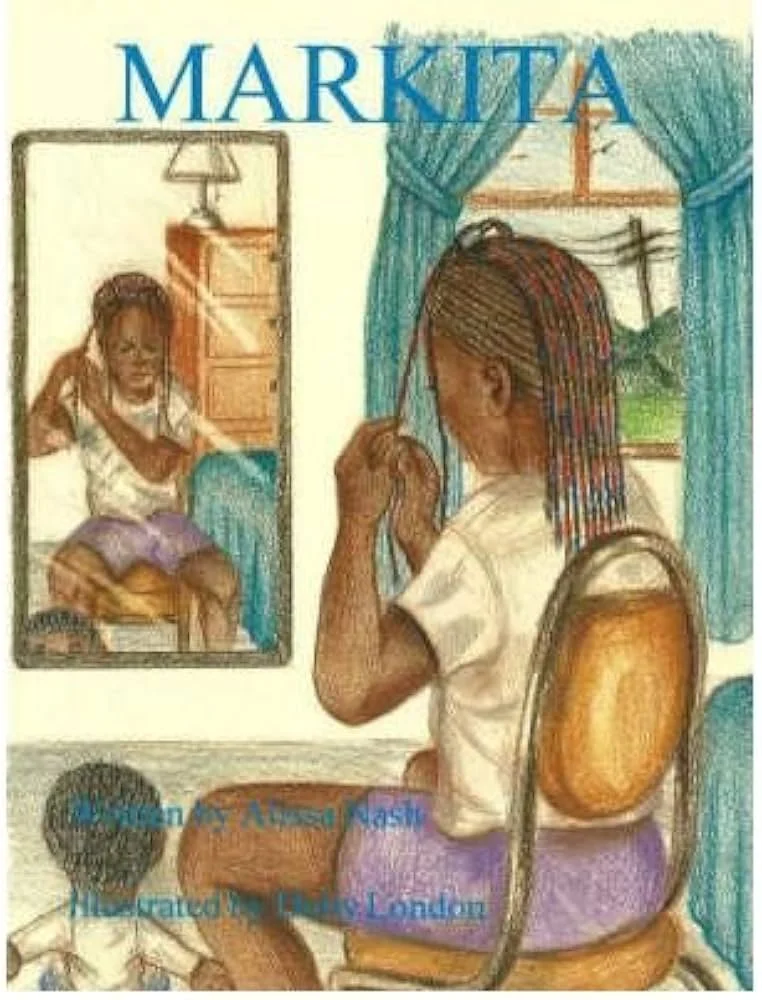
The book addresses the sensitive, intra-community issue of colorism and its direct impact on early childhood self-esteem. The narrative follows a young Black girl named Markita who struggles with her self-image. She experiences feelings of inadequacy because she doesn't feel as beautiful or "special" as her fair-skinned, lighter-complexioned cousins. To heal her confidence, the book uses an extended, vibrant metaphor involving a varied bouquet of flowers. Markita is taught that a bouquet is not beautiful because the flowers look exactly the same; rather, its true majesty and value come from the distinct, rich blending of different shapes, sizes, and deep, colorful hues.
The book addresses the sensitive, intra-community issue of colorism and its direct impact on early childhood self-esteem. The narrative follows a young Black girl named Markita who struggles with her self-image. She experiences feelings of inadequacy because she doesn't feel as beautiful or "special" as her fair-skinned, lighter-complexioned cousins. To heal her confidence, the book uses an extended, vibrant metaphor involving a varied bouquet of flowers. Markita is taught that a bouquet is not beautiful because the flowers look exactly the same; rather, its true majesty and value come from the distinct, rich blending of different shapes, sizes, and deep, colorful hues.