
 Image 1 of 1
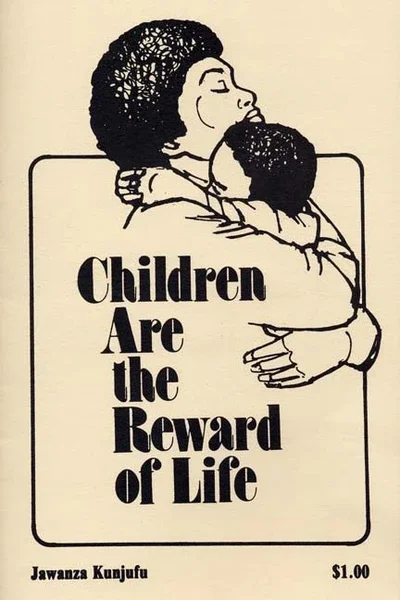
Kunjufu's very first published book. released through his newly founded publishing company, African American Images, this foundational text establishes the core philosophical and cultural framework that underpins his entire subsequent bibliography. The title itself draws directly from a traditional African proverb—and echoes the biblical sentiment of Psalm 127:3—re-establishing children not as financial or societal burdens, but as a community's most sacred and valuable asset.
Core Focus Areas & Analysis
Shifting the Value Paradigm: Kunjufu introduces a sharp contrast between Eurocentric and traditional African value systems. He critiques the Western tendency to look at children through a lens of economic cost, arguing instead for a cultural return to viewing children as the spiritual and collective center of the community.
Collective Accountability: The book introduces his early thoughts on "the village." Kunjufu posits that the journey of a child into adulthood is not a private, isolated family matter, but a shared responsibility requiring active leadership from parents, neighbors, elders, and spiritual institutions.
Early Identity Armor: Long before introducing his "Fourth-Grade Syndrome" theory, Kunjufu uses this text to argue that a child’s psychology must be intentionally anchored in positive historical and cultural identity from birth to withstand later societal biases.
Solutions & Frameworks
Cultural Grounding (Nguzo Saba): Kunjufu advocates using the Nguzo Saba (the Seven Principles of Kwanzaa) as a practical, daily value system within households to teach purpose, unity, and self-determination.
Talent Over Wealth: He pushes parents to inventory and cultivate a child's natural intrinsic gifts rather than training them to passively chase materialism. He argues that a child secure in their talents inherently develops stronger self-discipline.